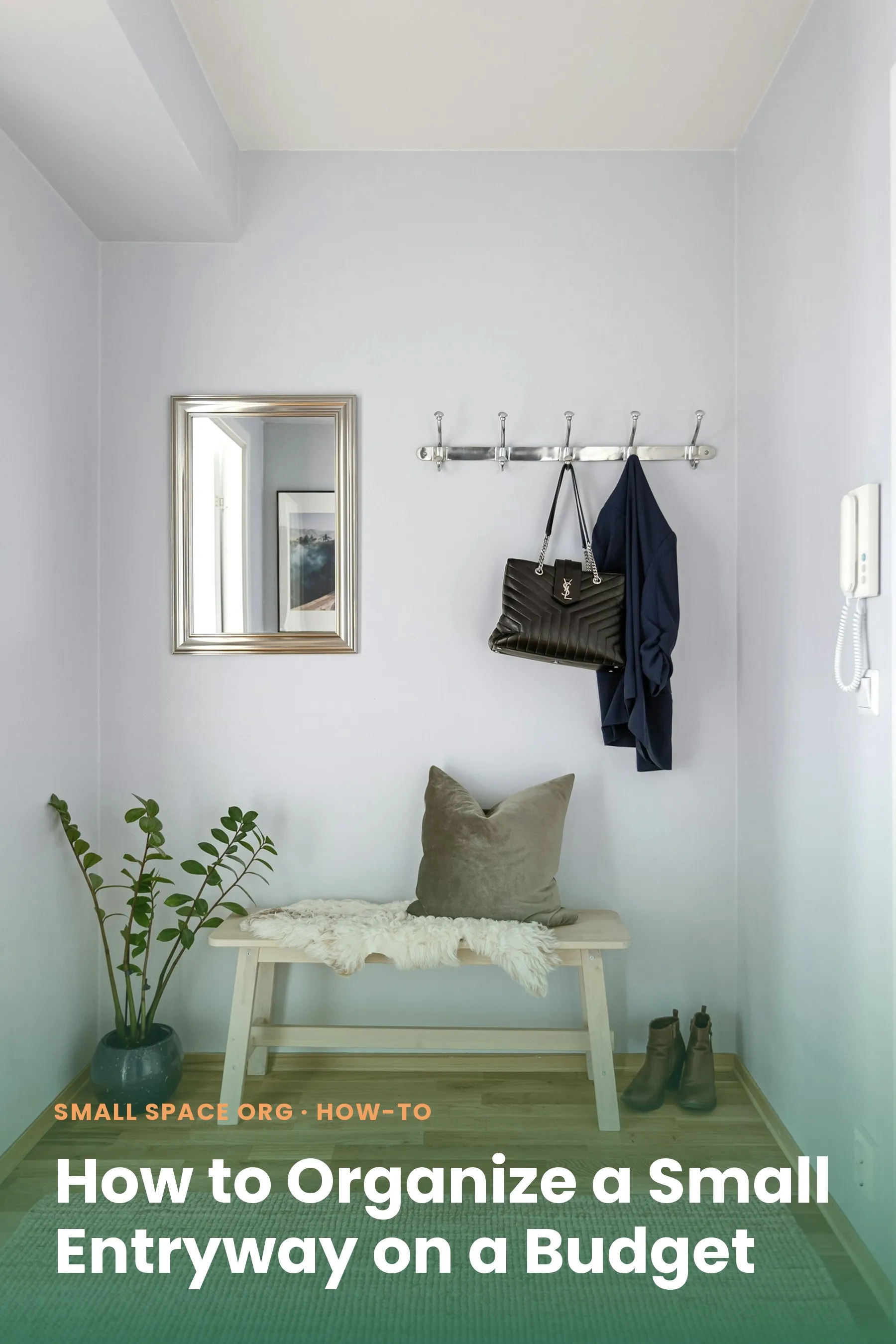
A small entryway takes the worst of the daily traffic: wet shoes, dropped mail, coats piled on the nearest chair. You don’t need a mudroom renovation to fix it. This setup takes about 2 hours on a Saturday morning, costs under $70 for the essentials below, and needs nothing more than a drill and a stud finder.
If you already have a coat closet nearby, a closet organizer can take the overflow off the hooks entirely, and an over-the-door organizer works well when the closet door is your only real storage.
What you'll need
Empty the space and sort everything into three piles
Pull every shoe, coat, umbrella, and stray package out of the entryway and sort it into keep, relocate, and donate. Anything that hasn’t been worn or used in a year goes in the donate pile. Anything that belongs somewhere else in the house, like the gym bag that lives in the car half the time, gets relocated now instead of migrating right back to the floor once the new setup is in place.
Most small entryways are narrower than they look on a tape measure once you account for a door swing. Measure the wall space you actually have available for hooks and a bench before ordering anything, including how far the bench will stick out when someone’s sitting on it.
Mount hooks at two heights
Install the coat hook rack at a height that clears a hung coat without the hem dragging, usually five to six inches below where the coat’s shoulders will sit. If kids use the entryway too, add a second, lower row of hooks (even a couple of adhesive ones) at a height they can reach on their own. Find the studs first if you can. A rack loaded with winter coats is heavier than it looks, and anchors alone can pull out of drywall over time.
Get shoes off the floor with a bench
A shoe bench solves two problems at once: it clears the floor pile, and it gives whoever’s putting shoes on somewhere to sit. Put the bench directly under or beside the coat hooks so the whole “shoes off, coat on” routine happens in one spot instead of scattered across the room. Load the bottom shelf with the shoes worn most often and keep occasional pairs, like dress shoes, stored elsewhere.
Add a boot tray for wet or muddy shoes
Slide a rubber boot tray under the bench or just inside the door for rainy and snowy days. It catches drips and salt before they reach the floor, and it’s one less thing to wipe down after bad weather. A tray with raised edges holds runoff better than a flat mat, especially if boots go straight from outside to the tray without a stop in between.
Create a landing zone for keys and mail
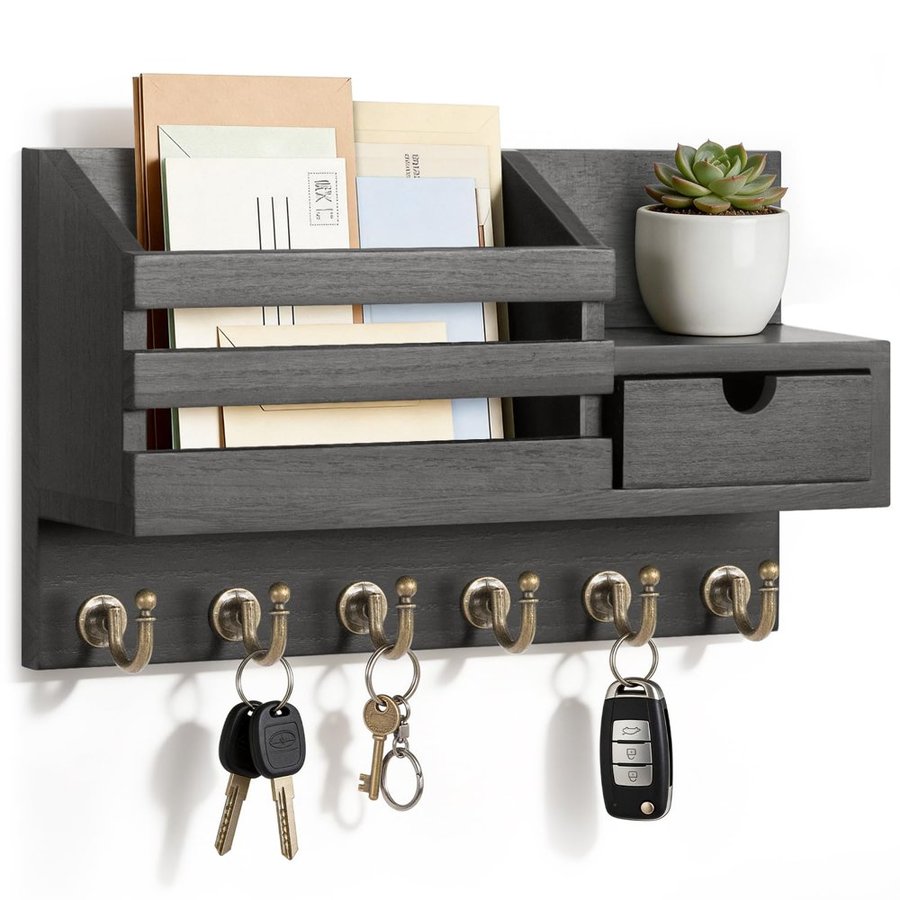
Keys, mail, and sunglasses need a designated spot, or they end up back on the kitchen counter within a week. A small bowl or tray on the bench works fine to start, and it costs nothing if you already own one. A wall-mounted key and mail organizer (see below) is worth adding once the rest of the system is in place and you know how much daily mail actually needs a spot.
Tips and Common Mistakes to Avoid
- Don’t buy storage before measuring. A bench or shoe rack that’s an inch too deep will block the door from swinging fully open, which is a hard thing to notice until it’s already assembled.
- Skip the over-the-door shoe pocket organizers if your entryway doesn’t have a usable door. They work well on a coat closet door, but there’s nothing to hang them on in an open nook.
- Resist the urge to fill every hook. Leaving one or two open makes it easier to hang a coat without shuffling three others out of the way first.
- A boot tray only helps if it’s actually in the path from the door. Tucked behind a bench where no one sees it, it just becomes one more thing to step around.
- Revisit the setup after the first month and swap out anything that isn’t actually getting used, even if it looked great in the store.
Take It Further: Recommended Products
Frequently Asked Questions
How much does it cost to organize a small entryway?
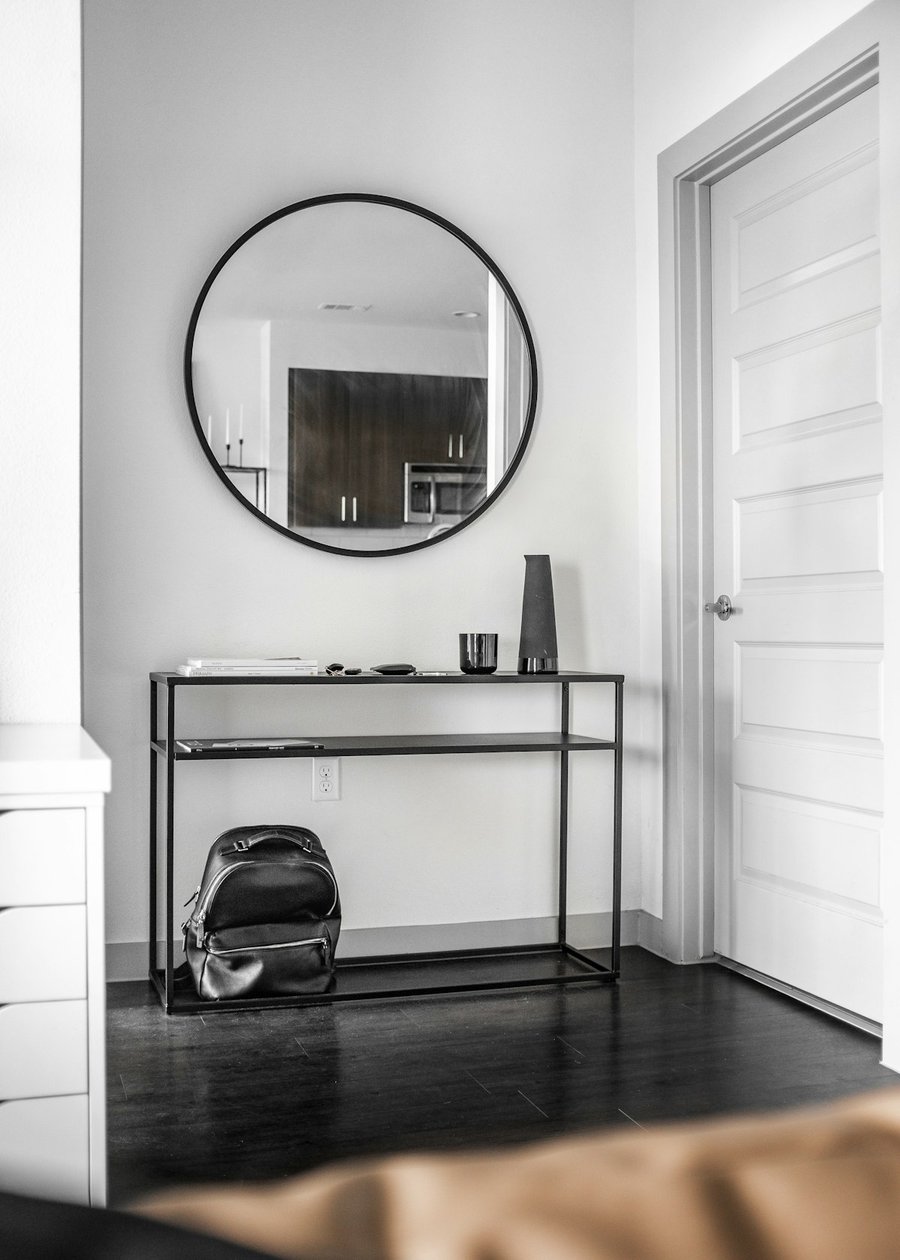
The three essentials above (hooks, a shoe bench, and a boot tray) run about $63 total. Adding a key holder and a mirror brings a fuller setup to around $120, still well under what a built-in mudroom bench or custom cabinetry would cost.
What if my entryway has no closet at all?
Wall-mounted storage does most of the work a closet would. Hooks handle coats and bags, a bench with shelves underneath handles shoes, and a boot tray protects the floor. None of it requires a closet, just a stretch of open wall.
How do I keep an entryway organized once it's set up?
Give everything one specific spot, keys on a hook, mail in a tray, and put items back in that spot the moment you walk in instead of setting them down for just a minute. A one-month check-in also helps: swap out whatever isn't actually getting used for something that will.