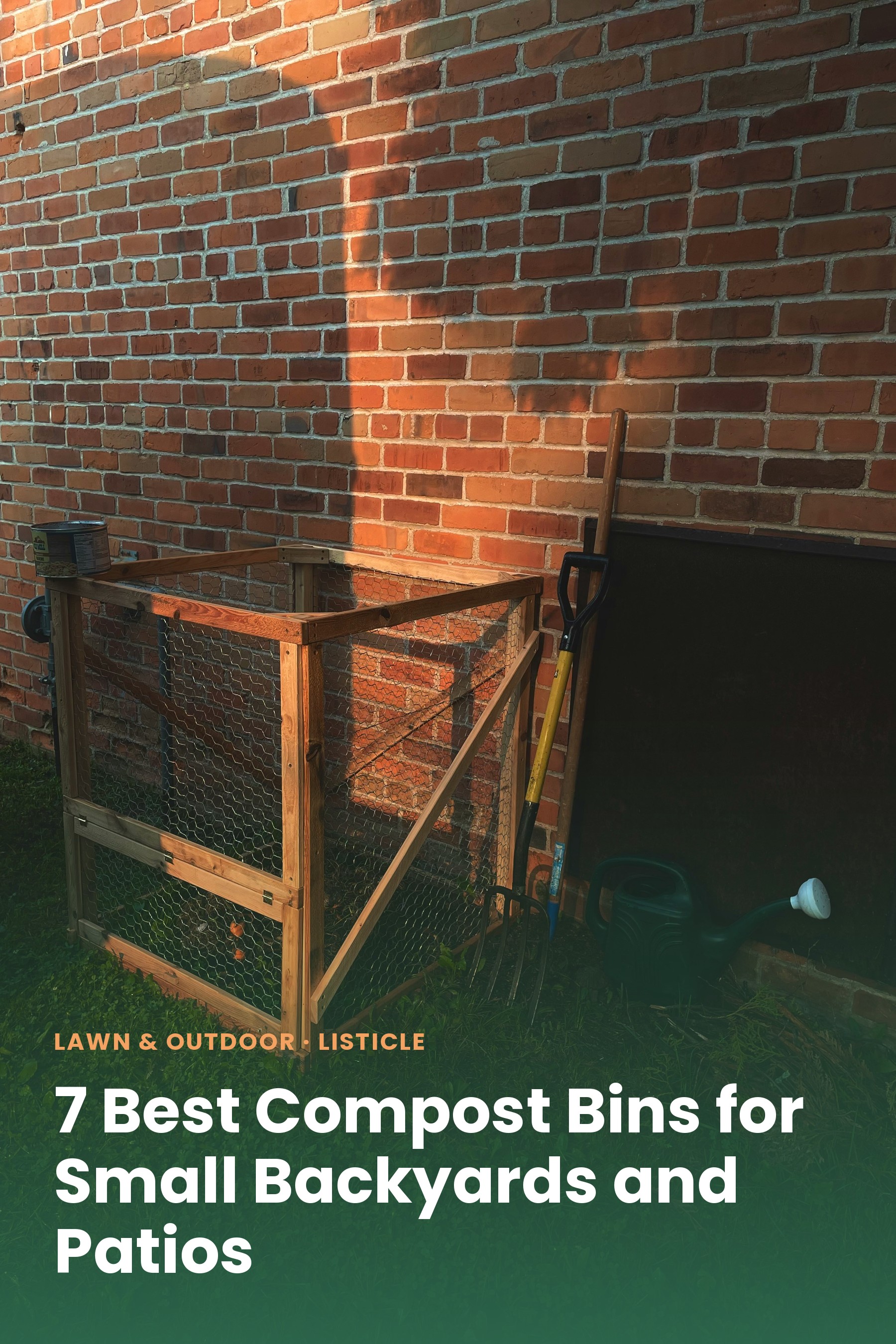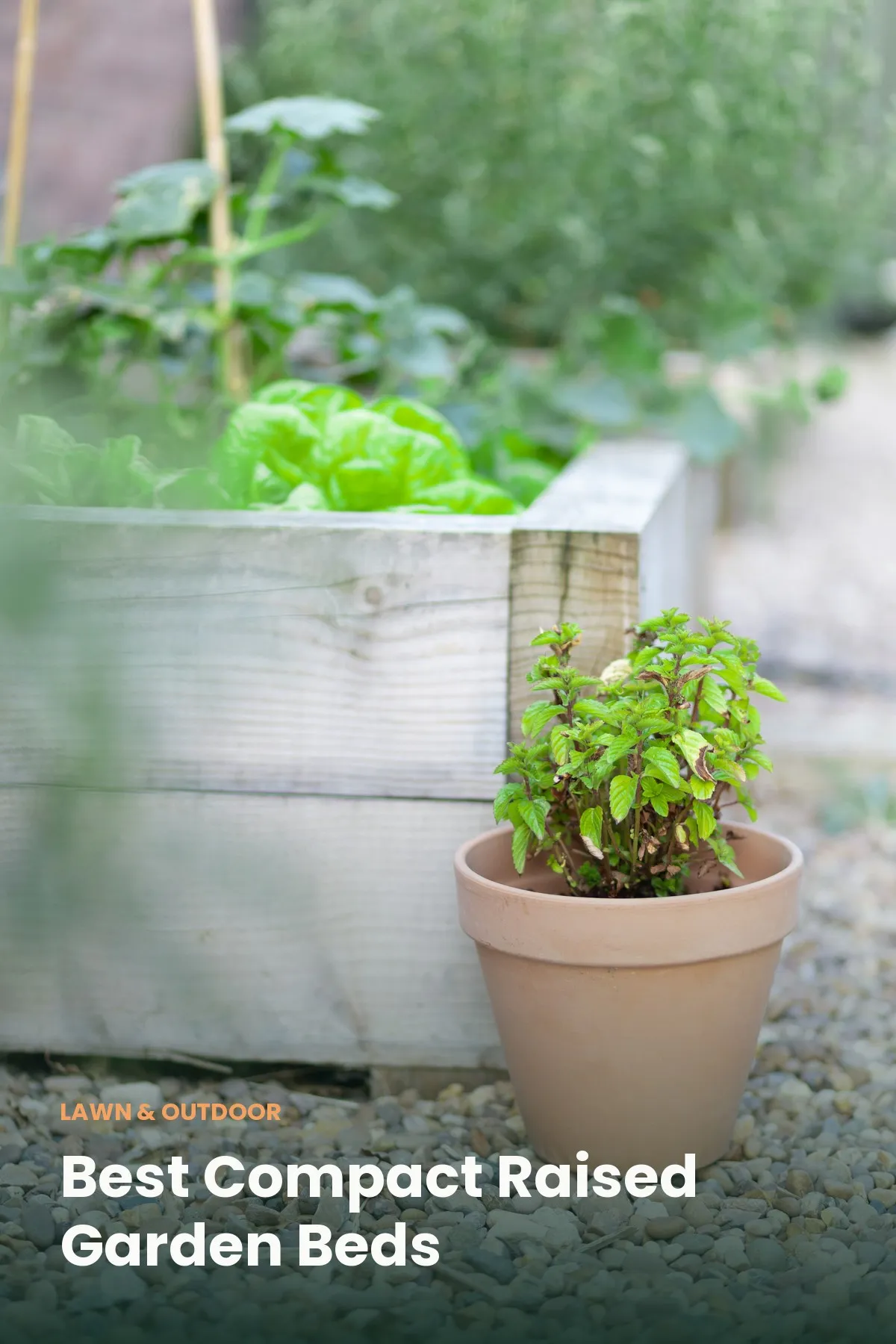
A raised bed solves the two biggest small-backyard gardening problems at once: poor native soil and limited flat ground. You don’t need a sprawling plot. A single compact kit tucked against a fence or patio edge is enough to grow real vegetables. Check the details below before buying, and see three kits worth the money.
No backyard at all? A container herb garden gets you growing on a balcony instead.
What to Look for in a Raised Garden Bed
Material: galvanized metal, cedar, or composite
Galvanized steel is the lightest and cheapest to ship, with a long rust-resistant life. Cedar costs more but looks more like furniture and naturally resists rot. Both outlast cheap pine or plastic kits.
Height and bottomless vs. closed-bottom design
Taller beds (16”+) mean less bending and better root depth for vegetables like carrots, but also need more soil to fill. Bottomless designs drain better and let roots reach native soil below.
Footprint relative to your actual space
Measure the spot before ordering, since a bed that looks compact in product photos can still eat most of a small patio. Vertical, tiered designs trade footprint for height when ground space is the real constraint.
Assembly
Toolless panel kits go together in minutes; cedar box kits are usually still tool-free but take a little longer. Either is faster than building one from scratch.
Our Picks
Best Overall: Land Guard Galvanized Raised Garden Bed Kit
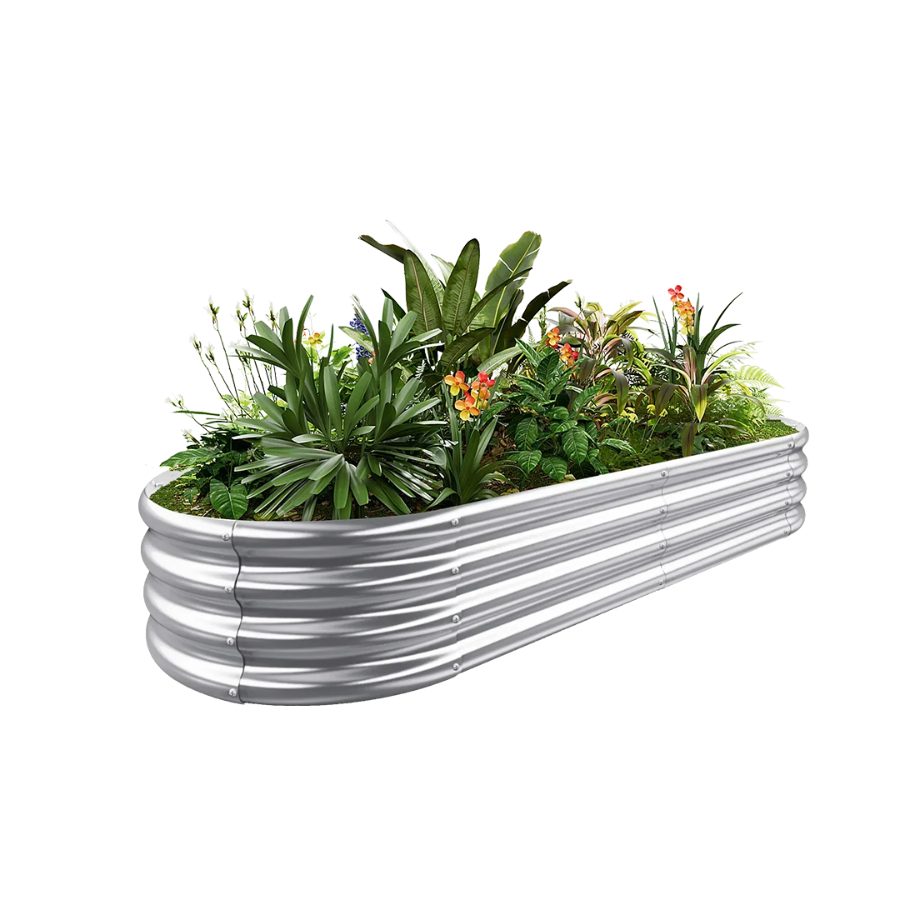
Land Guard Galvanized Raised Garden Bed Kit
Price may vary. Check Amazon for current price. Check price on Amazon →Amazon’s reigning bestseller in raised beds for good reason: double-layered galvanized steel that’s noticeably thicker than typical stamped beds, a bottomless design for proper drainage, and toolless assembly in about five minutes. It’s compact enough to tuck against a fence or patio edge without dominating a small yard.
Pros
- Double-layered steel, thicker than typical stamped beds
- Bottomless design drains well and lets roots reach native soil
- Five-minute toolless assembly
Cons
- Low-profile height means more bending than a taller bed
- Galvanized finish is utilitarian, not a furniture look
Best Premium: Gronomics Cedar Raised Garden Bed
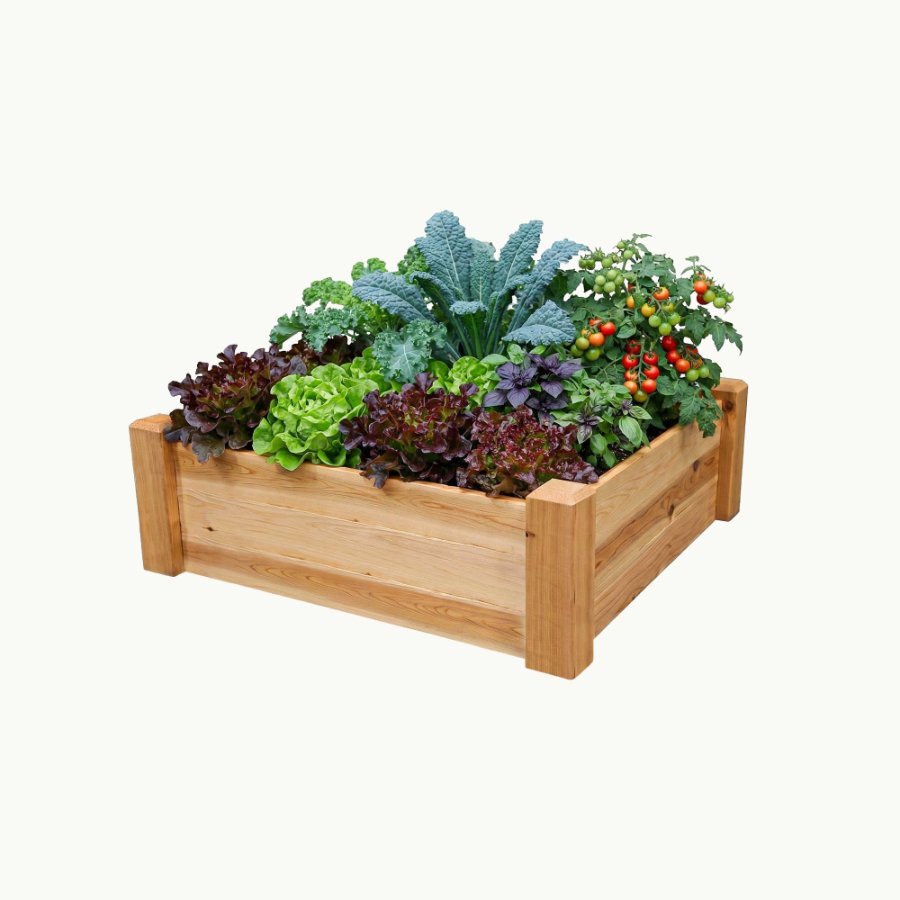
Gronomics Cedar Raised Garden Bed
Price may vary. Check Amazon for current price. Check price on Amazon →Solid 100% cedar construction with toolless assembly that reportedly takes 15–30 minutes, no screws required. The taller 19-inch height means less bending and better root depth for things like carrots, and it’s a nicer-looking, longer-lasting option than painted metal for a backyard that doubles as a patio focal point.
Pros
- Solid cedar, naturally rot-resistant and good-looking
- 19-inch height means less bending and deeper roots
- No screws, toolless assembly
Cons
- Significantly pricier than galvanized metal kits
- Heavier to move once assembled
Best for Tiny Spaces / Vertical: 3-Tier Vertical Raised Garden Planter
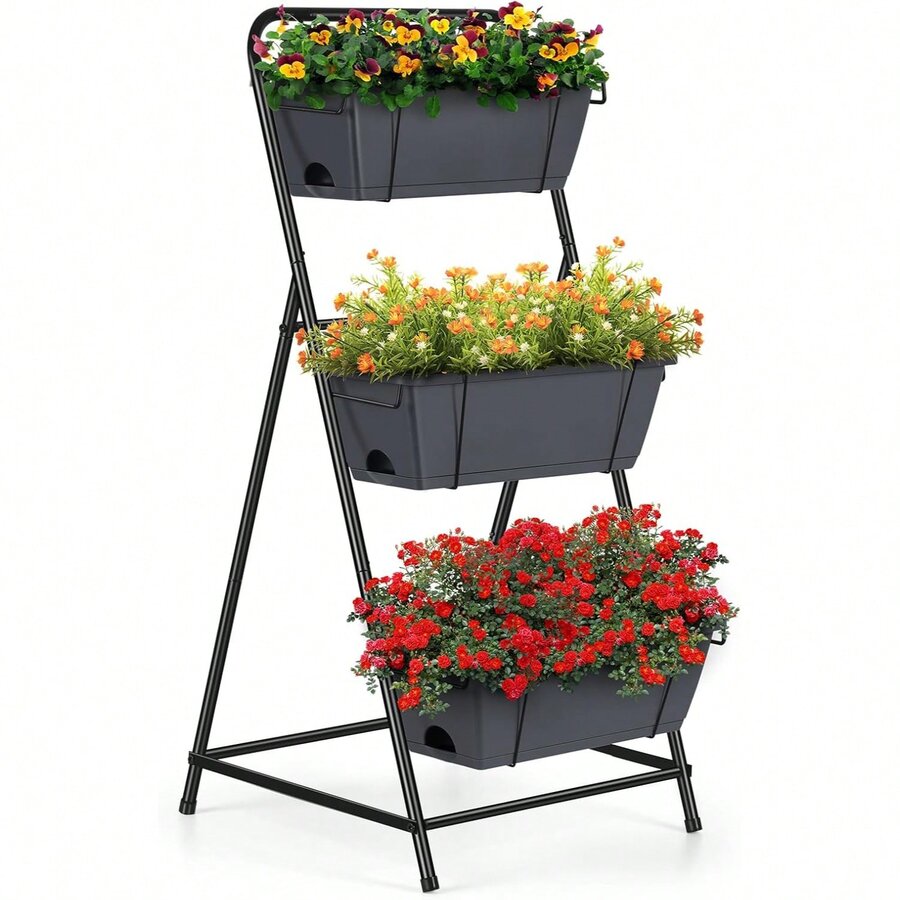
3-Tier Vertical Raised Garden Bed Planter (Black)
Price may vary. Check Amazon for current price. Check price on Amazon →Three stacked, offset planting tiers turn a 2-square-foot footprint into real growing area, ideal for patios where ground space doesn’t exist. Each tier has its own drainage holes and a removable catch tray underneath, so it’s less messy than stacking individual pots.
Pros
- Three growing tiers in a 2-square-foot footprint
- Removable catch tray keeps runoff contained
- Elevated height keeps low growers away from ground-level pests
Cons
- Much smaller total soil volume than a ground-level bed
- Smaller, lesser-known brand, so confirm current stock before ordering
Raised beds always look smaller in product photos than they are in person. Mark the actual footprint on your patio or yard with tape before ordering. It’s the single biggest source of buyer’s remorse with these kits.
Frequently Asked Questions
How much soil do I need for a compact raised bed?
A typical 4x2 ft, 12-inch-tall bed needs roughly 8 cubic feet of soil. Check your specific bed's dimensions, since taller and bottomless designs both change the math.
Is a bottomless raised bed a problem on a patio with no soil underneath?
Yes. On a hard surface like concrete or pavers, you'll want a closed-bottom bed or a weed barrier and extra depth, since a bottomless design assumes it's sitting on native ground.
Do galvanized metal beds get too hot for roots in summer?
It's a real consideration in very hot climates. Lighter-colored beds and adequate soil depth help, and many gardeners in hot regions still use galvanized beds successfully with consistent watering.