Most true succulents want a sunny windowsill and sulk anywhere short of it, which makes them a bad match for a north-facing apartment or a desk in the middle of a room. The six plants below are the succulent-family exceptions: snake plant and ZZ plant actually thrive in low light, and a couple of the others tolerate it well enough to work in a dimmer corner. Two of these six are true succulents that still want more light than the rest, so we’ve flagged that where it matters instead of burying it in the fine print.
If you’re setting these up near a desk or a reading chair, a sturdy plant stand gets a low-light plant closer to whatever light a room does have.
| # | Product | Best for | Rating | Price |
|---|---|---|---|---|
| 1 | Costa Farms Snake Plant (Sansevieria) ↗ | Overall | $31.28 | |
| 2 | Costa Farms Everlasting ZZ Plant ↗ | Deepest Shade | $30.34 | |
| 3 | Haworthia Super White Zebra Plant ↗ | Compact Desks | $15.99 | |
| 4 | United Nursery Ponytail Palm ↗ | Statement Plant | $29.69 | |
| 5 | Costa Farms Aloe Vera ↗ | Brighter Corner | $14.36 | |
| 6 | Costa Farms Jade Plant ↗ | Budget | $14.99 |
#1 Best Overall: Costa Farms Snake Plant
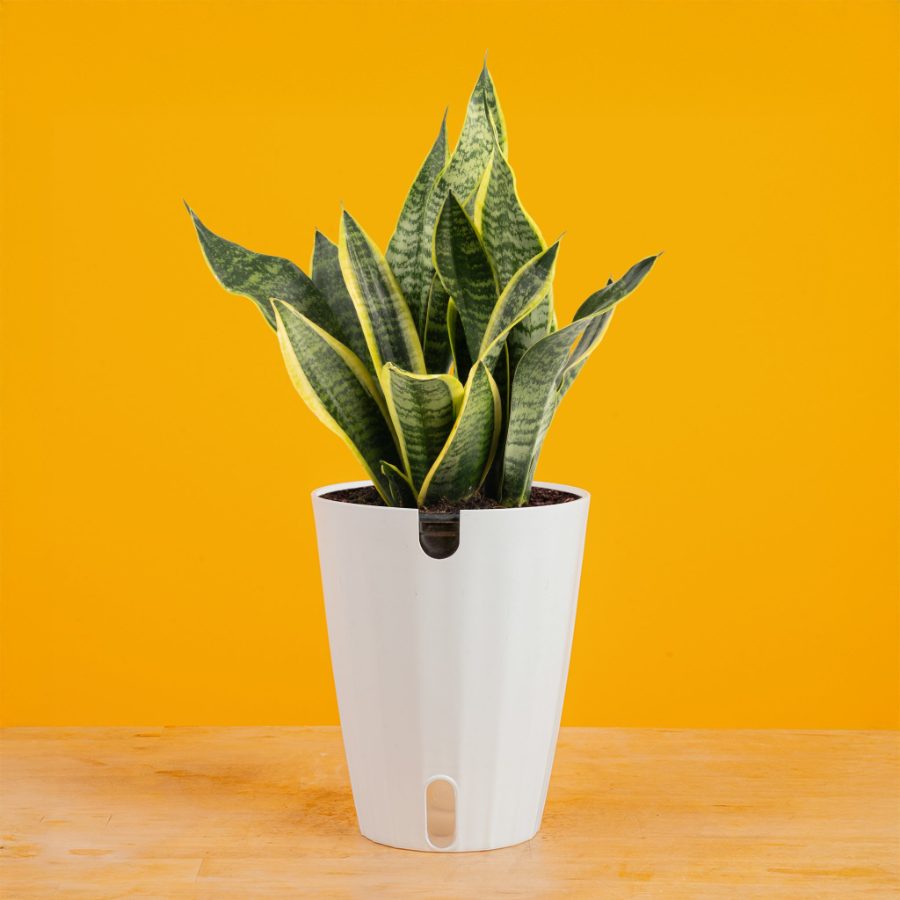
Costa Farms Snake Plant (Sansevieria)
Price may vary. Check Amazon for current price. Check price on Amazon →Snake plant is the plant people mean when they say something is “impossible to kill,” and it earns that reputation in exactly the conditions a low-light apartment offers: a corner with no direct sun, irregular watering, weeks of being ignored. Its stiff, upright leaves hold their shape without staking and read as sculptural rather than droopy, so it works in a minimalist room as easily as a cluttered one. The self-watering pot takes some of the guesswork out for anyone who tends to over- or under-water.
Pros
- Genuinely thrives in low and indirect light
- Tolerates missed waterings better than almost any houseplant
- Upright shape holds its own in a small space
Cons
- Slow grower, so it won't fill out a room quickly
- Can rot at the base if the pot doesn't drain
#2 Best for the Deepest Shade: Costa Farms ZZ Plant
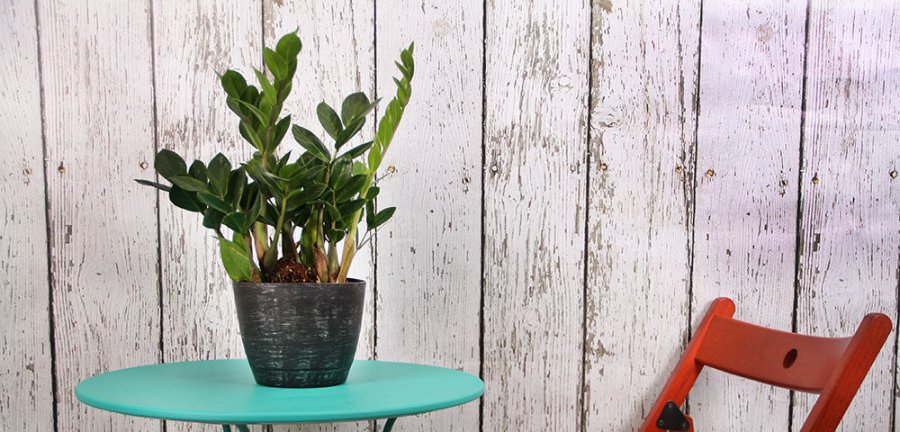
Costa Farms ZZ Plant (Zamioculcas zamiifolia)
Price may vary. Check Amazon for current price. Check price on Amazon →If snake plant is the safe choice, ZZ plant is the one for the room that barely gets any light at all: an interior hallway, a windowless bathroom, a desk tucked away from every window in the apartment. Its waxy, dark green leaflets store water in thick underground rhizomes, which is why it shrugs off being forgotten for a month. The glossy foliage also looks deliberate rather than neglected, so it doesn’t read as a plant that’s merely surviving.
Pros
- Handles near-windowless rooms better than almost anything else here
- Rhizomes store water, so missed waterings barely register
- Glossy leaves look polished with zero effort
Cons
- Very slow to grow new stems
- Mildly toxic if chewed, so keep it away from pets that like to nibble
#3 Best for Small Spaces: Haworthia Super White Zebra Plant
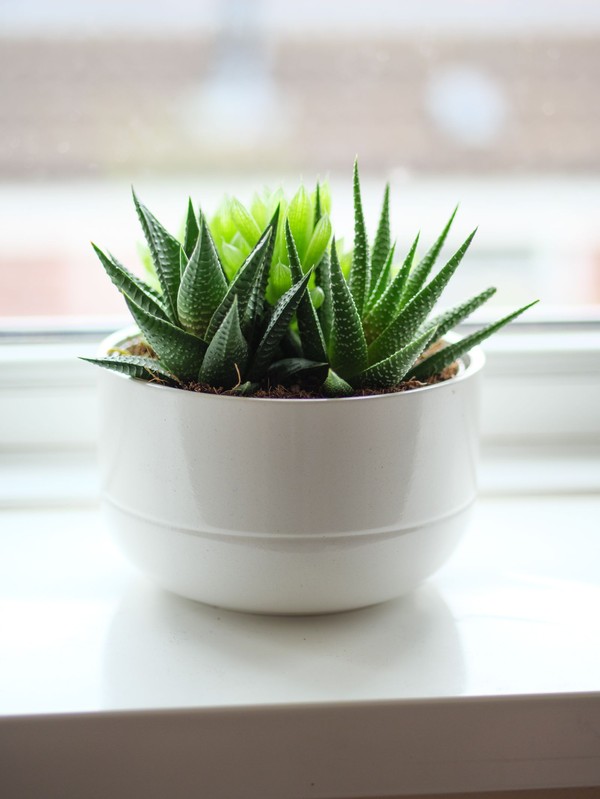
Haworthia Super White Zebra Plant, Live Succulent
Price may vary. Check Amazon for current price. Check price on Amazon →This one stays small enough to live on a desk, a bathroom shelf, or a windowsill that only gets bounced light, and its white-striped rosette adds texture without needing floor space. Haworthia tolerates lower light noticeably better than most true succulents, which is why it makes this list, but it still wants bright, indirect light rather than a dim interior corner. Set it a few feet back from an east- or north-facing window rather than deep in a room and it holds its compact shape for years.
Pros
- Small footprint fits desks and shelves other succulents can't
- More shade-tolerant than most true succulents
- Slow-growing, so it doesn't outgrow a small pot quickly
Cons
- Still wants indirect light, not a dim interior room
- Overwatering is a faster way to lose it than underwatering
#4 Best Statement Plant: United Nursery Ponytail Palm
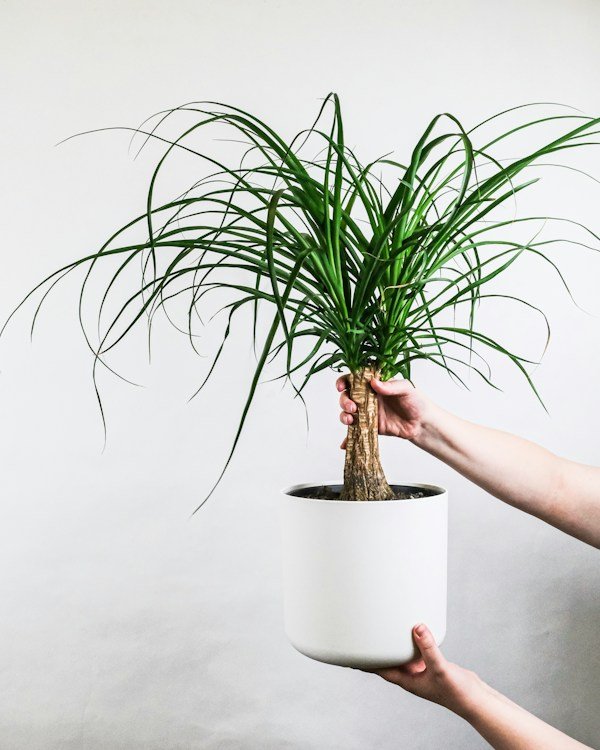
United Nursery Ponytail Palm, Live Indoor Plant
Price may vary. Check Amazon for current price. Check price on Amazon →Ponytail palm isn’t a palm, and it isn’t a natural shade lover either. Its bulbous, water-storing base makes it forgiving in the same way the rest of this list is: it survives weeks of low light and missed waterings without dropping leaves, even if it won’t put on new growth until it gets closer to a window. The cascading, ponytail-like leaves are what make people stop and ask about it. Give it the brightest spot in the room, even if that room is otherwise dim, and let the sculptural base handle the rest.
Pros
- Bulbous base stores water, so it tolerates low light and neglect
- Distinctive look that doubles as a conversation piece
- Grows slowly enough that it won't outgrow its pot for years
Cons
- Wants the brightest spot available, not true deep shade
- Top-heavy cascading leaves can tip a lightweight pot
#5 Best for a Brighter Corner: Costa Farms Aloe Vera
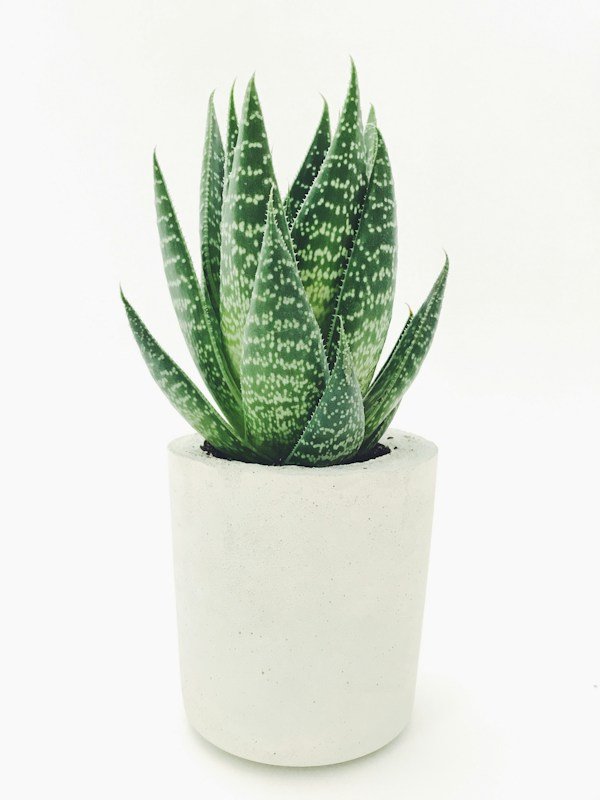
Costa Farms Aloe Vera, Live Indoor Plant
Price may vary. Check Amazon for current price. Check price on Amazon →Worth being upfront about this one: aloe is a true succulent, and true succulents want real sunlight, not just an apartment that has some. It belongs on this list for the apartment that’s mostly dim but has one bright windowsill, not for the interior corner the snake plant or ZZ plant would cover. In that bright spot, it’s about as low-maintenance as houseplants get, and the gel inside the leaves is a genuine, minor perk for scrapes and sunburns.
Pros
- Needs water only every few weeks once it has enough light
- Leaf gel works on minor scrapes and sunburns
- Produces offsets you can repot or give away
Cons
- Needs real bright light, not just a lit room, to stay compact and healthy
- Leggy, pale growth in low light means it's not a true low-light plant
#6 Best Budget: Costa Farms Jade Plant
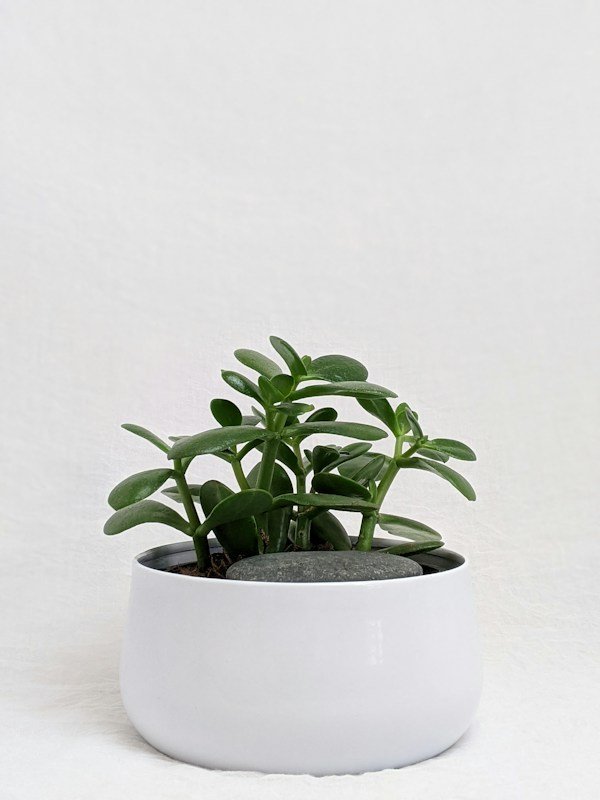
Costa Farms Jade Plant, Live Indoor Succulent
Price may vary. Check Amazon for current price. Check price on Amazon →Same honesty applies here as with the aloe: jade plant is a true succulent that wants bright light to keep its thick, round leaves compact and its branching stems from stretching toward whatever light it can find. It’s the cheapest plant on this list and one of the easiest to propagate from a single leaf, which makes it a low-risk way to start a windowsill collection even if it’s the wrong pick for a genuinely dim room.
Pros
- Lowest price of anything on this list
- Easy to propagate new plants from a single leaf or cutting
- Long-lived, often passed down as a houseplant for decades
Cons
- Needs bright light to stay compact instead of leggy
- Slow to recover once it's stretched out from too little light
What to Look for in a Low-Light Houseplant
How dim is “low light,” actually
Low light usually means a room with a window the plant isn’t sitting in front of, not a windowless closet. Snake plant and ZZ plant tolerate genuinely dim rooms; most other succulent-family plants, including several on this list, mean “no direct sun” rather than “no natural light at all.”
Watering less, not more
The plants that handle low light best also store water in thick leaves, stems, or rhizomes, which means they need less frequent watering than a typical houseplant, not more. Overwatering, not underwatering, is what kills most of the plants on this list.
Pot drainage
A pot without a drainage hole turns “low maintenance” into “root rot” fast, especially with the reduced watering these plants prefer. Look for a nursery pot with drainage, or plan to repot into one, rather than watering carefully around a sealed decorative planter.
Matching the plant to the actual spot
Walk the apartment and note where the light really falls before choosing a plant, not after. An interior corner with no window view calls for snake plant or ZZ plant; a windowsill that gets a few hours of indirect light can support the others, including the two true succulents here.
Frequently Asked Questions
What's the best low-light plant for an apartment with almost no natural light?
ZZ plant and snake plant are the two most shade-tolerant plants on this list and the best fit for an interior room or a spot with no direct window view.
Are succulents actually good for low light?
Most true succulents, including aloe and jade, want bright light and struggle in low light. Snake plant and ZZ plant are succulent-family plants, not true succulents, which is why they tolerate shade so much better.
How often should I water a low-light succulent-family plant?
Less than you'd think. Let the soil dry out fully between waterings, generally every two to three weeks, since these plants store water in their leaves, stems, or roots and are far more likely to suffer from overwatering than underwatering.
Can aloe vera or jade plant survive in a dim room?
They'll survive for a while but grow pale and leggy without enough light. Both do best on or near a bright windowsill rather than in a genuinely low-light corner.
Do any of these plants need direct sunlight?
None require harsh direct sun, but aloe vera and jade plant both want bright, consistent light, ideally a few hours of direct or very bright indirect sun, to stay compact and healthy.