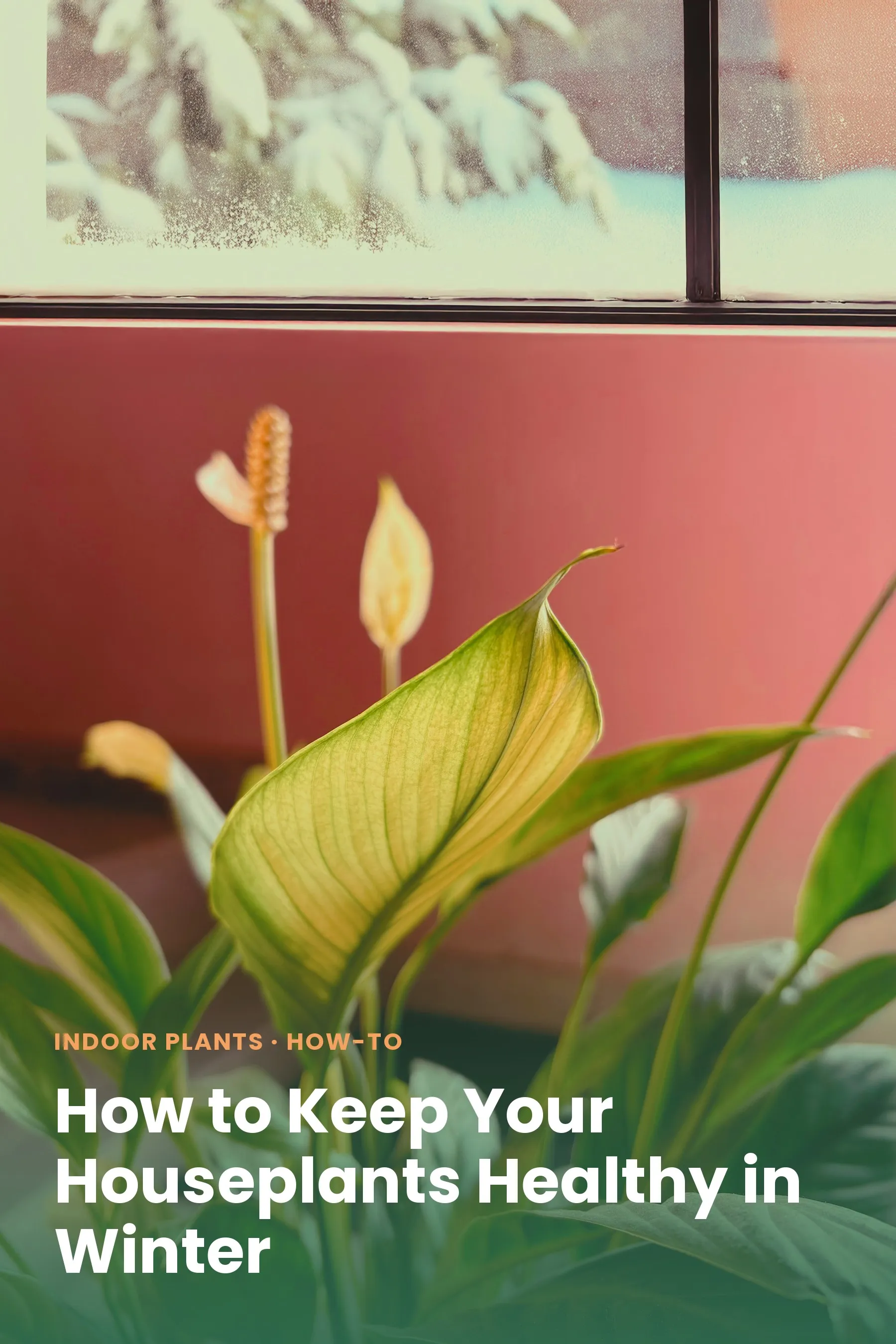
Cold rarely kills a houseplant. Three quieter winter changes do the damage: less light, dry heated air, and a watering habit that stayed the same while the plant stopped growing. Fix those three and a plant that looked miserable in January will push out new leaves by March.
This routine takes about 1 hour to set up and costs under $50 for the essentials below. Most of it is moving pots and changing how often you reach for the watering can. If you plan to repot anything, do it in spring instead. Our repotting guide covers the timing.
What you'll need
Move plants closer to the light
From November to February the sun sits lower and the days run short, so a spot that was bright in July can turn dim. Move your light-hungry plants to the brightest window you have, ideally south or west facing. Clean the glass too, since a dirty pane cuts the weak winter light even further. Rotate each pot a quarter turn every week or two so the plant doesn’t lean toward the glass.
Leaves pressed against a freezing window can get frost damage overnight. Leave a few inches of gap, or slide a sheer curtain between the plant and the pane on the coldest nights.
Move plants away from drafts and heat vents
Plants dislike sudden swings more than steady cool air. Pull pots away from exterior doors, leaky windows, radiators, and heating vents. A vent that blows warm, dry air across a fern will crisp the leaf tips within days. Aim for a room that stays between roughly 60 and 75°F, which suits most common houseplants.
Water less, and check the soil first
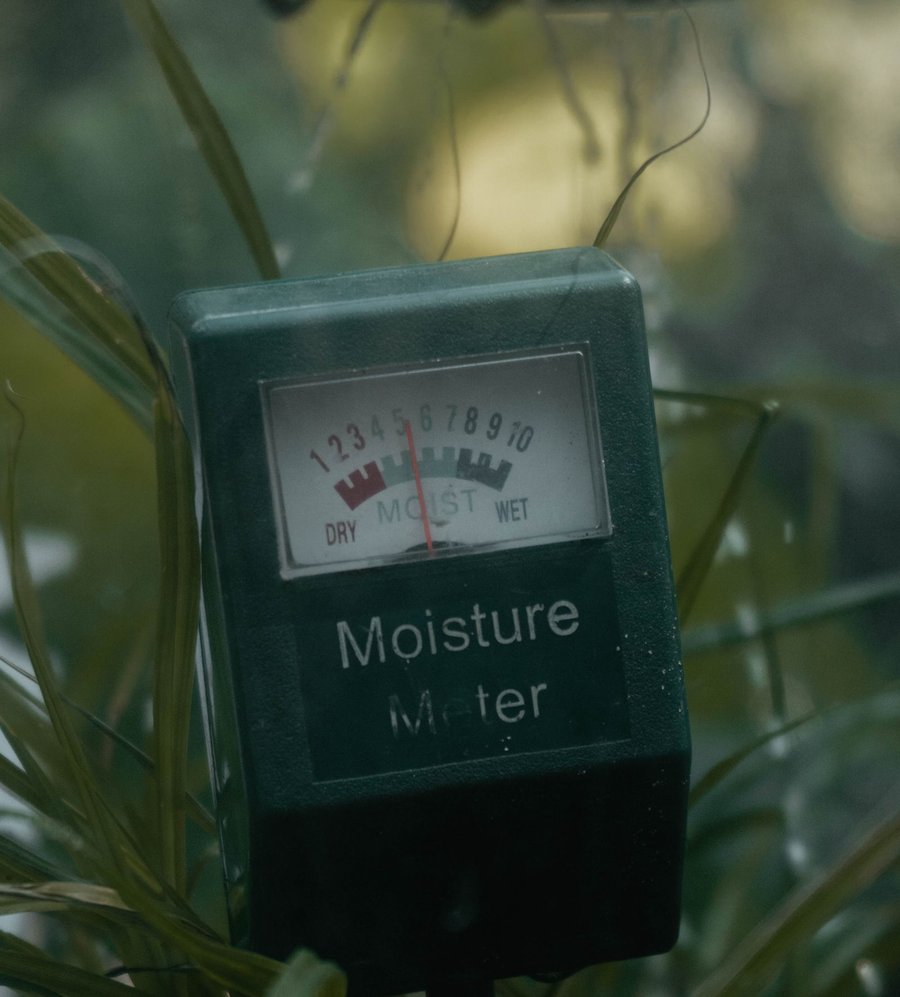
Growth slows in winter, so roots drink less. The classic mistake is keeping the summer schedule and drowning a plant that isn’t using the water. Push a finger two inches into the soil, or use a moisture meter to check at root depth. Water only when the soil is dry at that depth, then let the excess drain out of the pot. Many plants need water every two to three weeks instead of every week.
A moisture meter that runs without batteries costs about $10 and removes the guessing. Push the probe in, read the dial from dry to wet, and pull it out. Wipe the probe between pots so you don’t carry salts or pests from one plant to the next.
Raise the humidity around your plants
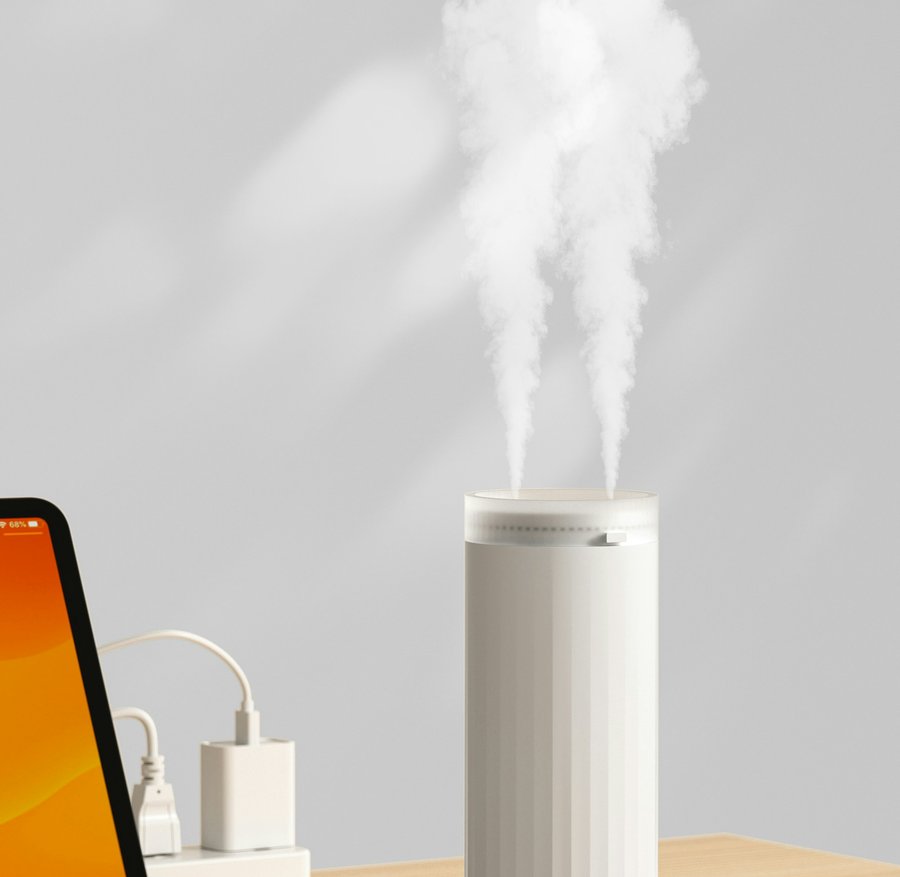
Heated indoor air often drops below 30 percent humidity, while tropical plants like calatheas, ferns, and monstera prefer 40 to 60 percent. Brown, crispy leaf edges are the usual sign. A small cool mist humidifier near your plant grouping is the most reliable fix. Cluster the pots together as well, since plants raise the humidity around each other as they release moisture. Misting only helps for a few minutes, so skip it.
Add a grow light on the dimmest days
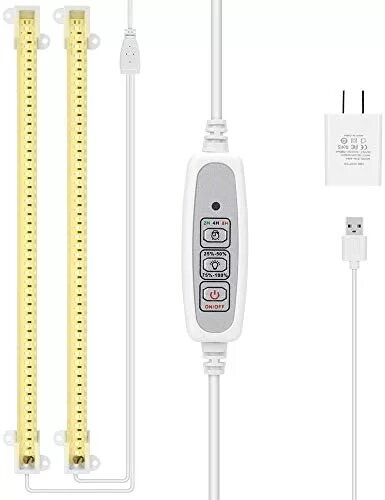
If your brightest window still only gets a few hours of weak sun, a grow light fills the gap. Clip or mount a full-spectrum LED strip a few inches above the leaves and run it 10 to 12 hours a day. The Mosthink strips below have a built-in timer, but it tops out at 8 hours, so plug them into a $10 outlet timer if you want the full 10 to 12. See our grow light buying guide for other options if you have a large collection.
Pause fertilizer, dust the leaves, and check for pests
Most plants rest in winter, and fertilizer on a resting plant builds up as salt in the soil. Stop feeding from late fall until you see new growth in spring. Wipe dust from broad leaves with a damp cloth so they can catch every bit of available light. Dry air also invites spider mites and fungus gnats, so look under leaves and at the soil surface every time you water.
Tips and Common Mistakes to Avoid
- Don’t repot or prune hard in winter. The plant has little energy to recover, so save the big jobs for spring.
- Use room-temperature water. Ice-cold tap water straight from the faucet can shock roots.
- Don’t place a humidifier so close that the mist wets the leaves or the wall behind it. Leave a couple of feet of space and wipe the tank regularly.
- Treat succulents and cacti differently. Most need almost no water in winter, so check them far less often than leafy tropicals.
- Don’t panic over a few yellow lower leaves. Some leaf drop is normal as light drops. Widespread yellowing with wet soil points to overwatering.
- Recheck your setup in January. Light and heating patterns shift, so a pot that did well in November may need a new spot.
Take It Further: Recommended Products
The grow light photo shows the actual product. For the humidifier and the moisture meter we used stock photos of the same type of item, so the picture shows the idea and not the exact model. The ROSEKM humidifier we link to comes in black.
Frequently Asked Questions
How often should I water houseplants in winter?
Most houseplants need water every two to three weeks in winter, about half as often as in summer. Check the soil two inches down first and water only when it feels dry. Succulents and cacti can go even longer.
Do houseplants need a humidifier in winter?
Tropical plants like ferns, calatheas, and monstera usually do. Heated air can fall below 30 percent humidity, and these plants prefer 40 to 60 percent. A small cool mist humidifier near a group of pots is the easiest fix.
Should I use a grow light in winter?
A grow light helps if your brightest window gets only a few hours of weak sun. Run a full-spectrum LED for 10 to 12 hours a day, a few inches above the leaves. Plants in a south-facing window may not need one.
Why are my houseplant leaves turning yellow in winter?
A few yellow lower leaves are normal as light drops. If many leaves yellow and the soil stays wet, you are probably overwatering. Let the soil dry out more between waterings and make sure the pot drains.
Should I fertilize houseplants in winter?
Most plants don't need it. Growth slows or stops, and unused fertilizer can build up as salt in the soil. Pause feeding until you see new growth in spring.