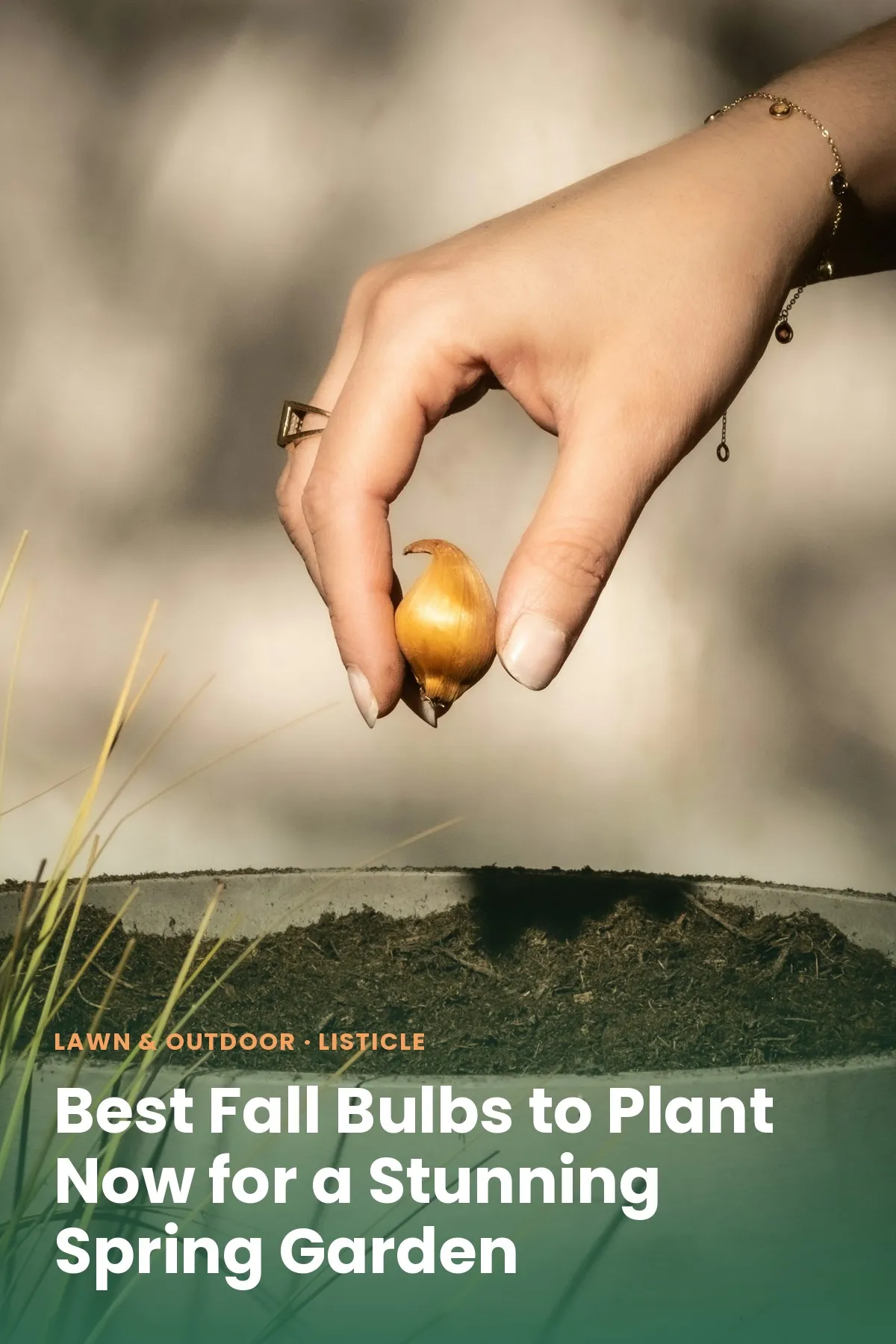
Late September through October is the window for this. Spring-blooming bulbs need weeks underground in cool soil before the ground freezes, so anything planted now has time to root before winter and bloom on schedule in March and April. Wait until November and you’re racing the frost line instead of beating it.
The picks below cover the core of a good spring bulb bed: an easy, deer-resistant daffodil to start with, mixed tulips for color, fragrant hyacinths, one late-spring showstopper, an early bloomer to open the season, a complete mixed kit if you’d rather not choose, and the two tools that make planting fifty-plus bulbs go faster.
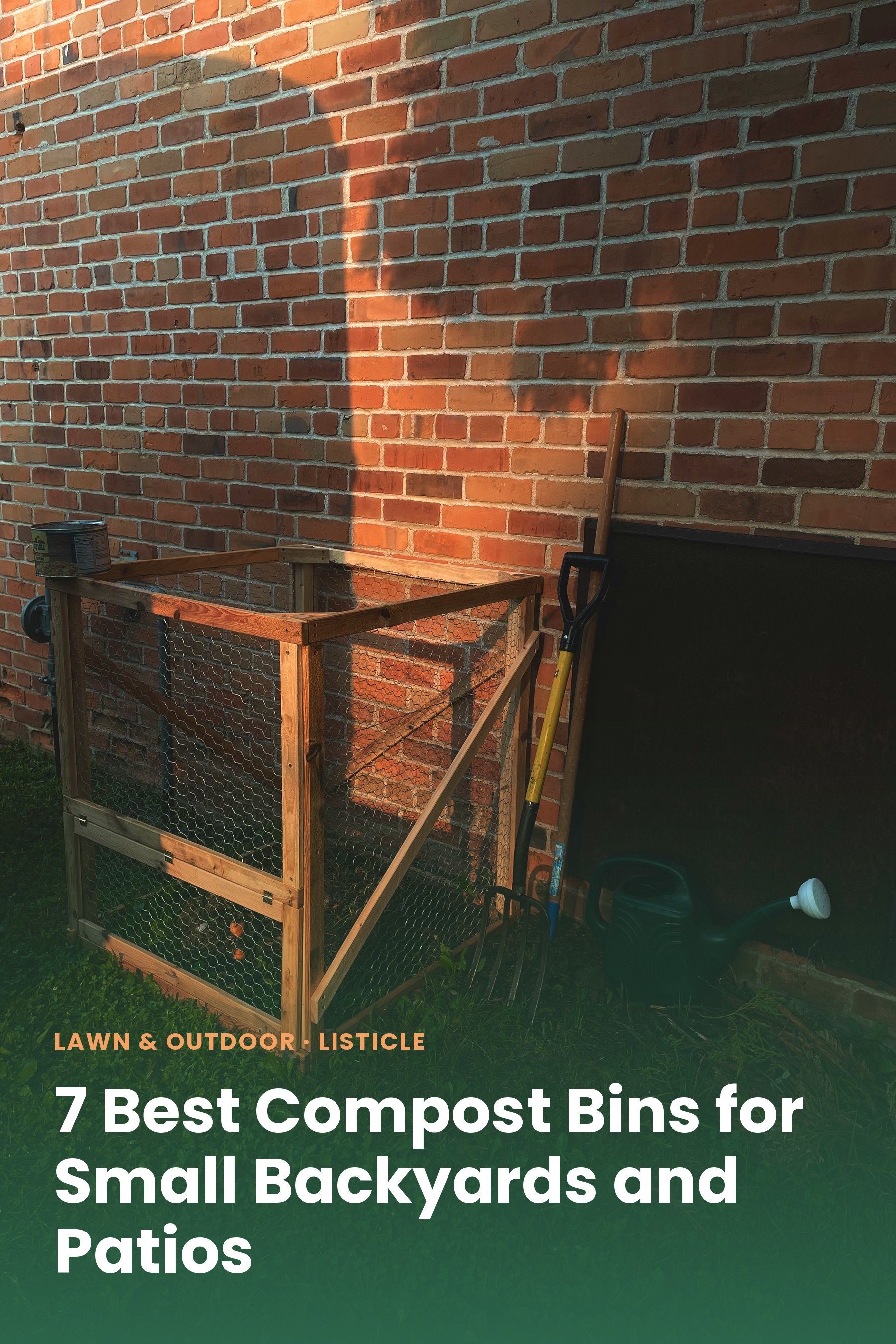
Short on ground space? The same bulbs work in a compact raised bed instead of open soil.
| # | Product | Best for | Rating | Price |
|---|---|---|---|---|
| 1 | Garden Elements Dutch Master Daffodil, 50 Bulbs ↗ | Overall | $34.95 | |
| 2 | Willard & May Mixed Triumph Tulips, 50 Bulbs ↗ | Tulips | $36.95 | |
| 3 | Willard & May Mixed Hyacinths, 50 Bulbs ↗ | Fragrance | $39.95 | |
| 4 | Breck's Purple Sensation Allium, 25 Bulbs ↗ | Late-Spring Color | $20.00 | |
| 5 | CZ Grain Colorful Crocus Blend, 50 Bulbs ↗ | Earliest Bloom | $31.99 | |
| 6 | Willard & May Complete Spring Garden, 75 Bulbs ↗ | All-in-One Kit | $39.95 | |
| 7 | Espoma Organic Bulb-Tone, 4 lb ↗ | Fertilizer | $15.49 | |
| 8 | FLORA GUARD Bulb Planter with Depth Markers ↗ | Planting Tool | $9.99 |
#1 Best Overall: Garden Elements Dutch Master Daffodil, 50 Bulbs
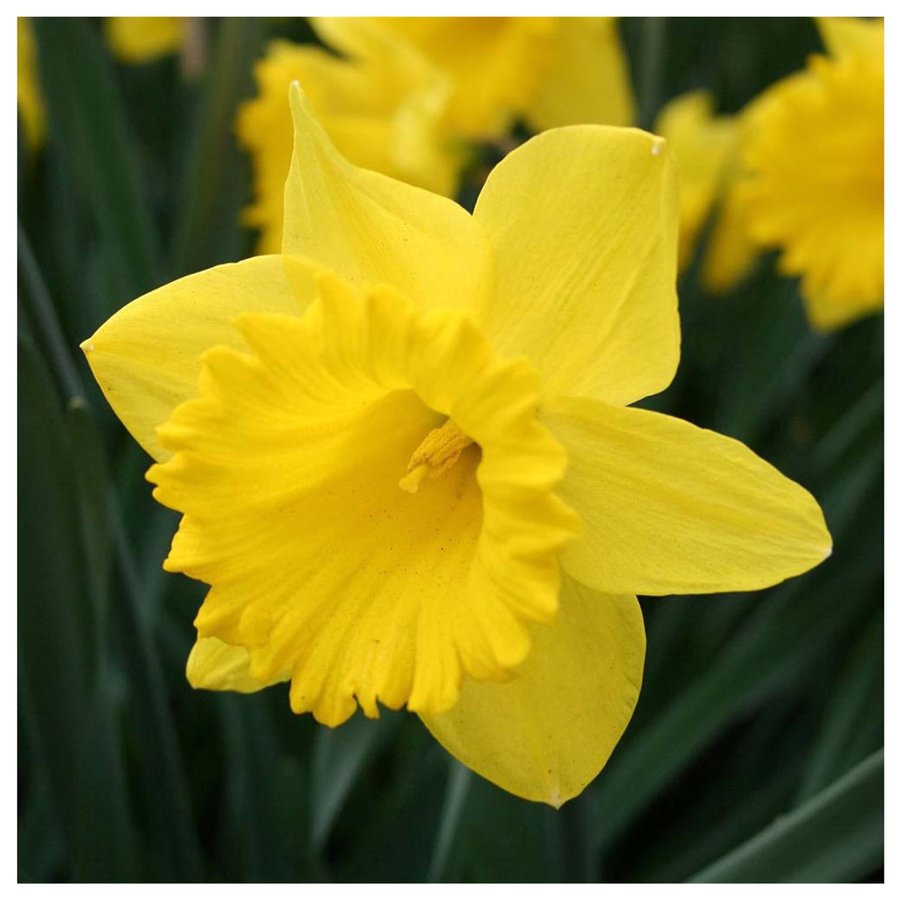
Garden Elements Dutch Master Daffodil, 50 Bulbs
Price may vary. Check Amazon for current price. Check price on Amazon →Dutch Master is the classic golden-yellow trumpet daffodil, and it’s the bulb I’d tell a beginner to start with. Daffodils are deer- and vole-resistant, which matters more than most first-time bulb buyers expect: squirrels and voles will dig up and eat tulip bulbs over winter, but they leave daffodils alone. Plant these 6 inches deep in full sun to partial shade and they’ll naturalize, meaning the clump gets fuller every year instead of needing to be replanted. Fifty bulbs is enough to fill a real bed or border, not just a few pots by the door.
Pros
- Deer- and vole-resistant, unlike tulips
- Naturalizes and multiplies year over year
- 50 bulbs covers a full bed, not just containers
Cons
- Classic yellow only, not a mixed-color pack
- Trumpet daffodils read as a spring standard rather than a statement bloom
#2 Best Tulips: Willard & May Mixed Triumph Tulips, 50 Bulbs
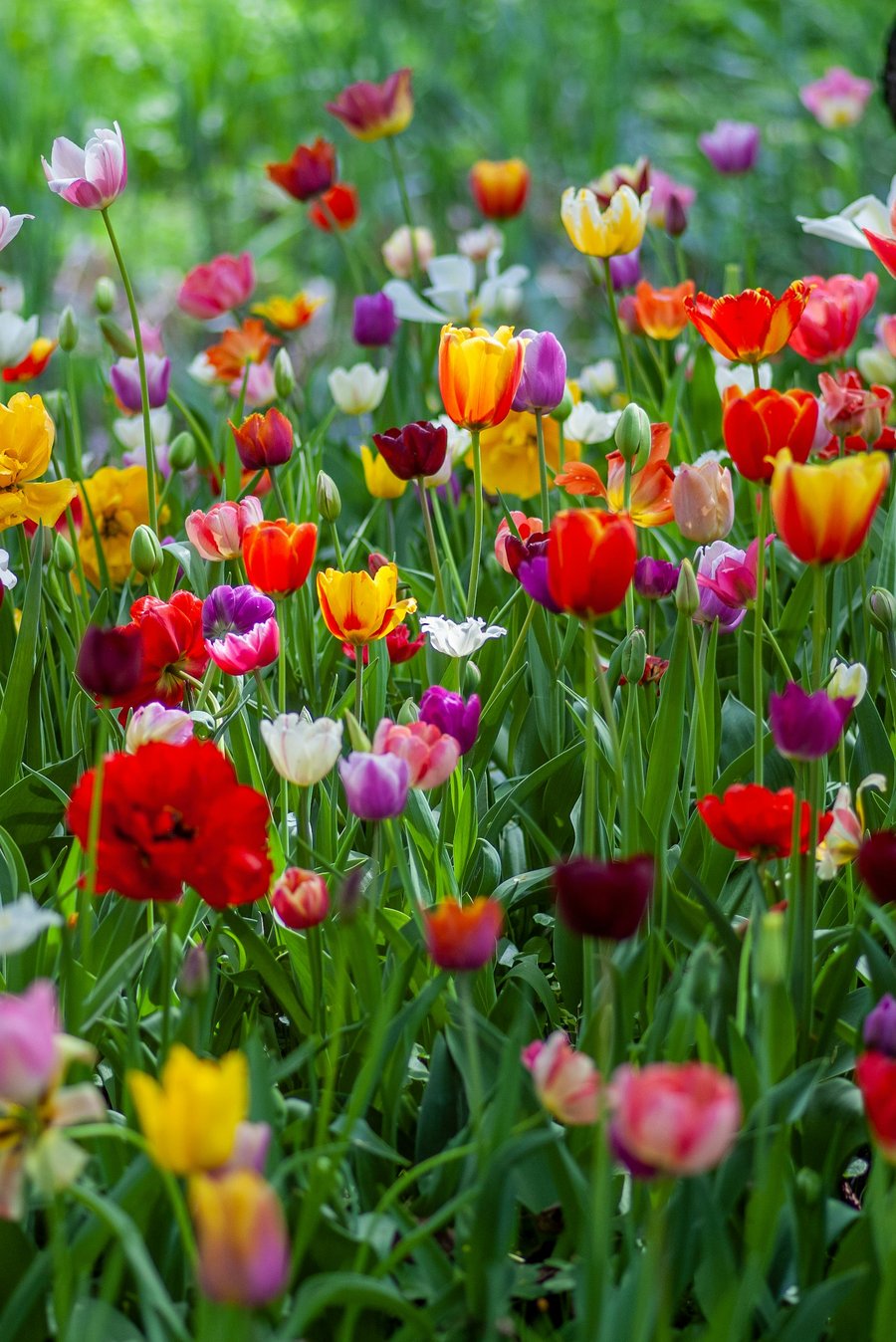
Willard & May Mixed Triumph Tulips, 50 Bulbs
Price may vary. Check Amazon for current price. Check price on Amazon →Triumph tulips are the sturdy, mid-season workhorse of the tulip world: shorter and wind-hardier than the tall Darwin hybrids, with a huge range of colors bred into the line. This is a random mixed assortment, so you won’t know the exact color split until they bloom, but that’s part of the appeal for a border planting. Tulips are the one bulb on this list squirrels and voles target, so if rodents are a known problem in your yard, plant them inside a layer of chicken wire a few inches under the soil.
Pros
- Sturdy triumph variety handles wind and spring rain well
- Wide color mix for a lively border
- Reliable mid-spring bloom window
Cons
- Tulips are the bulb most likely to get dug up by squirrels
- Colors are a surprise, not a guaranteed palette
- Best treated as a 2-3 year bloomer rather than a permanent perennial
#3 Best for Fragrance: Willard & May Mixed Hyacinths, 50 Bulbs
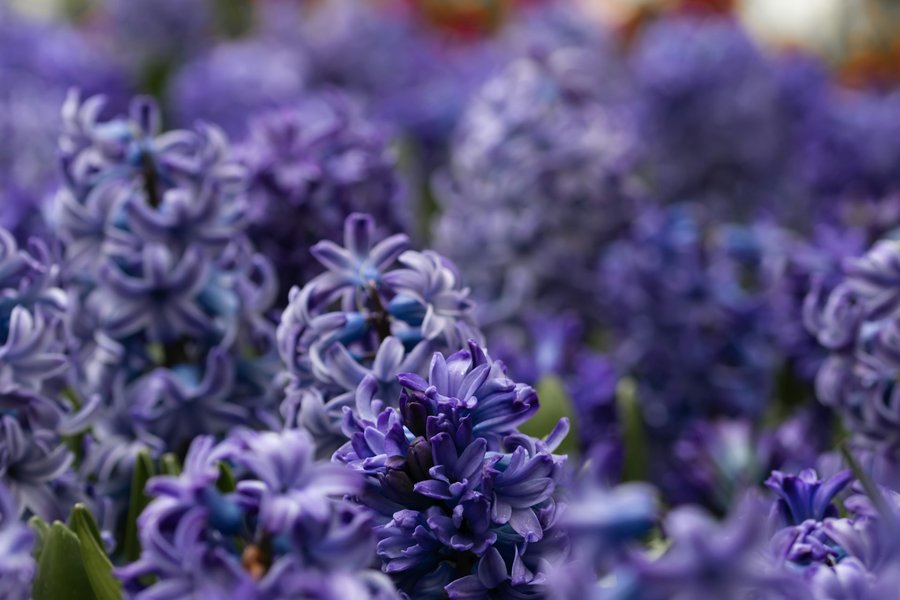
Willard & May Mixed Hyacinths, 50 Bulbs
Price may vary. Check Amazon for current price. Check price on Amazon →Nothing else on this list smells like a hyacinth. The compact spikes of densely packed flowers are strongly scented enough to notice from several feet away, which makes them a good pick for planting along a walkway or under a window you open in spring. They’re also short, usually 6-10 inches, so they suit the front of a border rather than the back. Hardy in USDA zones 4-8, which covers the large majority of the US.
Pros
- Strongest fragrance of any bulb on this list
- Compact size suits walkways and window beds
- Wide zone 4-8 hardiness range
Cons
- Shorter bloom window than tulips or daffodils
- Can flop over in heavy rain without support
#4 Best Late-Spring Showstopper: Breck’s Purple Sensation Allium, 25 Bulbs
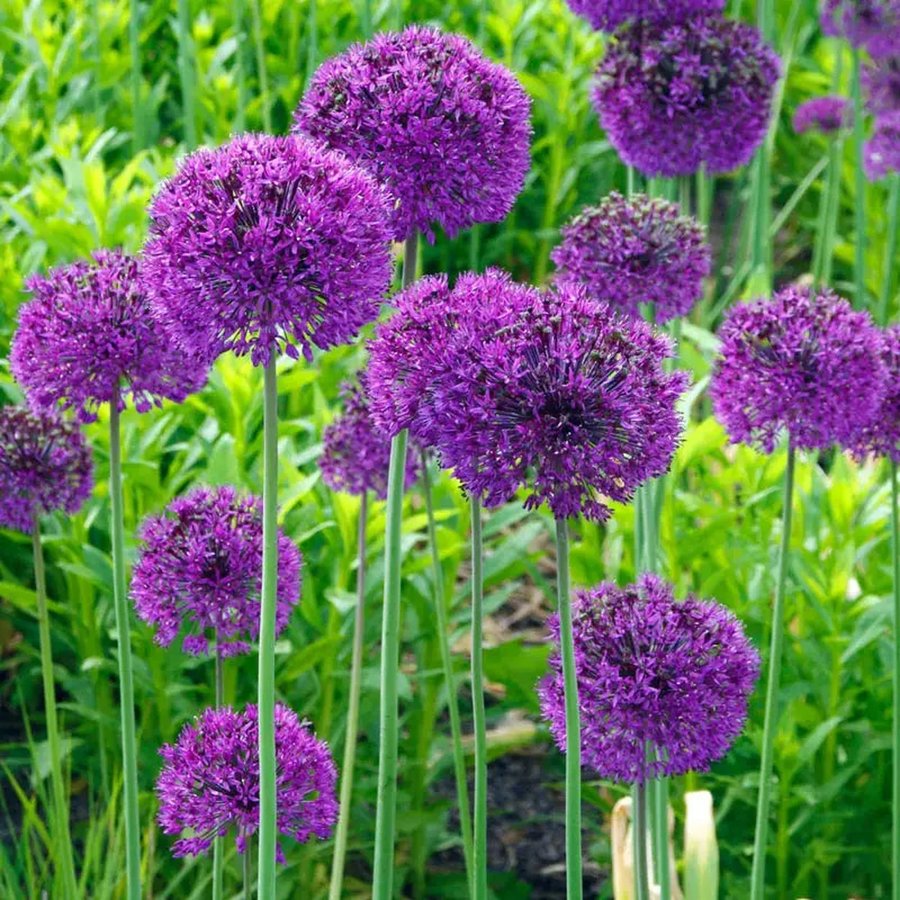
Breck's Purple Sensation Allium, 25 Bulbs
Price may vary. Check Amazon for current price. Check price on Amazon →Allium is the bulb that gets visitors to stop and ask what it is. Each stem tops out around 24-32 inches with a perfectly round, softball-sized cluster of purple star-shaped flowers, blooming in late spring after most tulips and daffodils are done. Deer and rodents avoid it: the same oniony compound that makes it a member of the allium family puts them off. The dried seed heads look good left standing into summer. Breck’s notes this variety can’t ship to Idaho or Washington due to state agricultural restrictions, so check that before ordering if you’re in either state.
Pros
- Extends the bloom season past tulips and daffodils
- Deer- and rodent-resistant
- Dried seed heads stay attractive into summer
Cons
- Can't ship to Idaho or Washington
- Space bulbs 12-18 inches apart, so 25 bulbs covers less ground than it sounds
#5 Best Earliest Bloom: CZ Grain Colorful Crocus Blend, 50 Bulbs
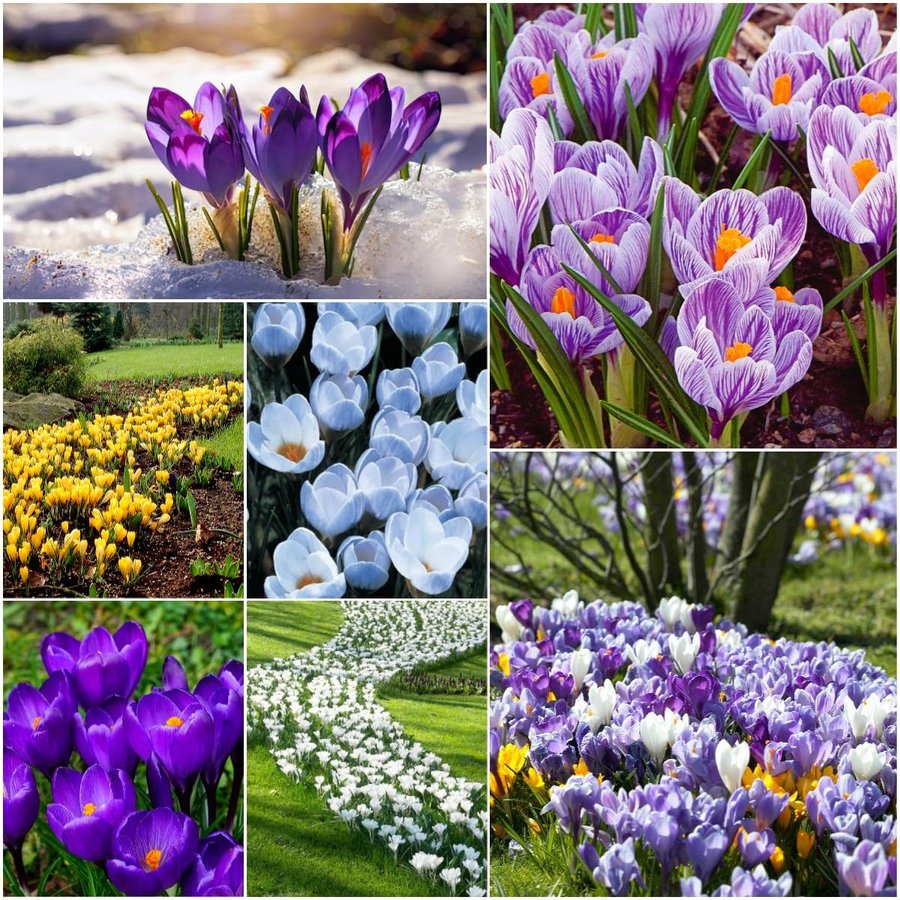
CZ Grain Colorful Crocus Blend, 50 Bulbs
Price may vary. Check Amazon for current price. Check price on Amazon →Crocus is often the very first flower up after winter, sometimes pushing through a late snow, weeks before daffodils start. This mix blends the large-flowering Dutch varieties with smaller species crocus for a longer bloom window instead of one all-at-once flush. Plant shallow, around 3-4 inches, and scatter them somewhere you’ll see in February and March, like along a front walk, since the show ends fast once temperatures warm up.
Pros
- Blooms weeks before most other spring bulbs
- Mix of large and species varieties spreads out the bloom window
- Naturalizes well in lawns and borders
Cons
- Individual blooms last only a week or two
- Small size makes them easy to overplant with in spring by accident
#6 Best All-in-One Kit: Willard & May Complete Spring Garden, 75 Bulbs
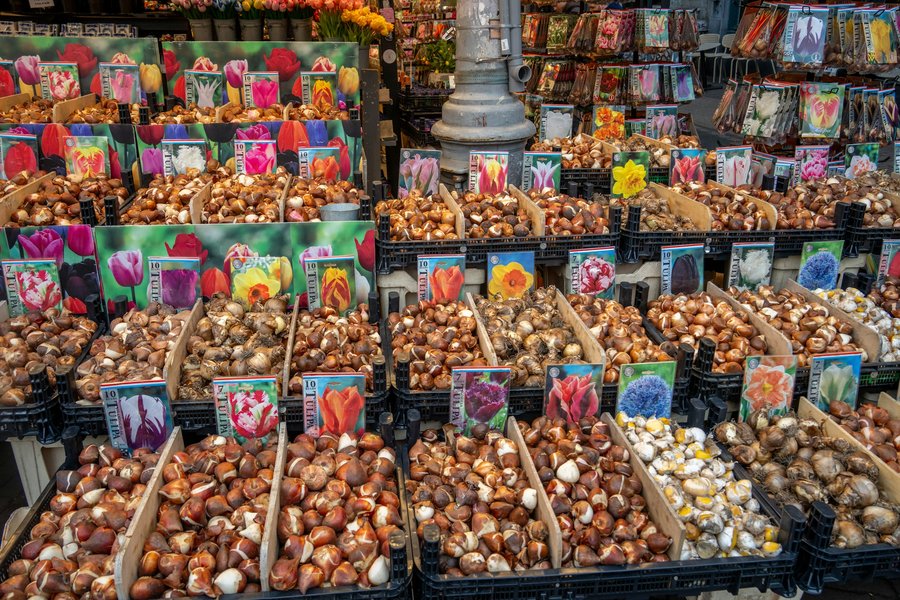
Willard & May Complete Spring Flower Bulb Garden, 75 Bulbs
Price may vary. Check Amazon for current price. Check price on Amazon →If picking varieties individually feels like more decision-making than you want, this kit does it for you: a pre-mixed 75-bulb assortment of tulips, daffodils, and hyacinths in one bag, bred for USDA zones 3-8. It’s the best value per bulb on this list at roughly 53 cents each, and staggering three bloom types together extends the display from early to late spring without any planning on your part.
Pros
- Best price per bulb of anything on this list
- Three bloom types stagger the season automatically
- One purchase covers a whole new bed
Cons
- No control over the exact color or variety mix
- Not ideal if you want a coordinated, single-color design
#7 Best Fertilizer: Espoma Organic Bulb-Tone, 4 lb
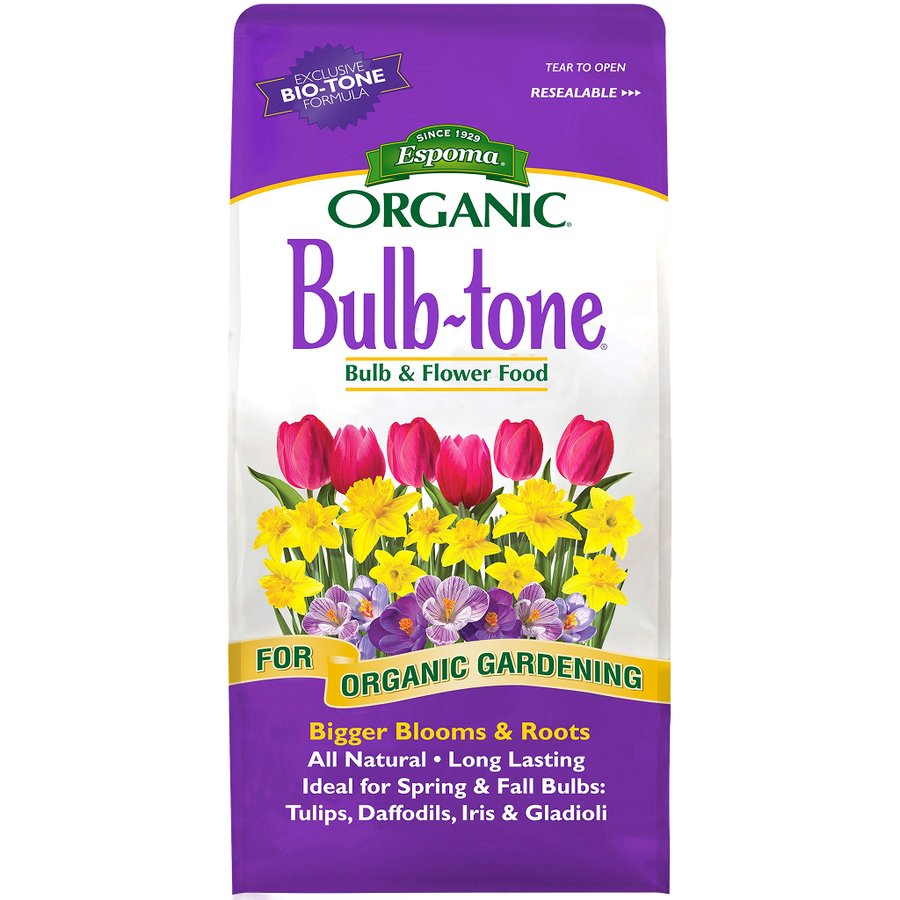
Espoma Organic Bulb-Tone 3-5-3 Fertilizer, 4 lb
Price may vary. Check Amazon for current price. Check price on Amazon →This is the highest-rated product on the whole list, and it’s worth the extra step. Bulb-Tone is an organic, low-nitrogen 3-5-3 blend made for exactly this job: mix a spoonful into the soil at the bottom of the planting hole so bulb roots reach it directly, rather than sprinkling it on top where it barely helps. A 4 lb bag covers roughly 66 square feet, plenty for the 75-bulb kit above with room to spare.
Pros
- Purpose-built low-nitrogen formula for bulb roots
- Organic, no synthetic sludge or fillers
- One bag covers a large planting area
Cons
- Only helps if worked into the hole, not sprinkled on top
- An extra purchase beyond the bulbs themselves
#8 Best Planting Tool: FLORA GUARD Bulb Planter with Depth Markers
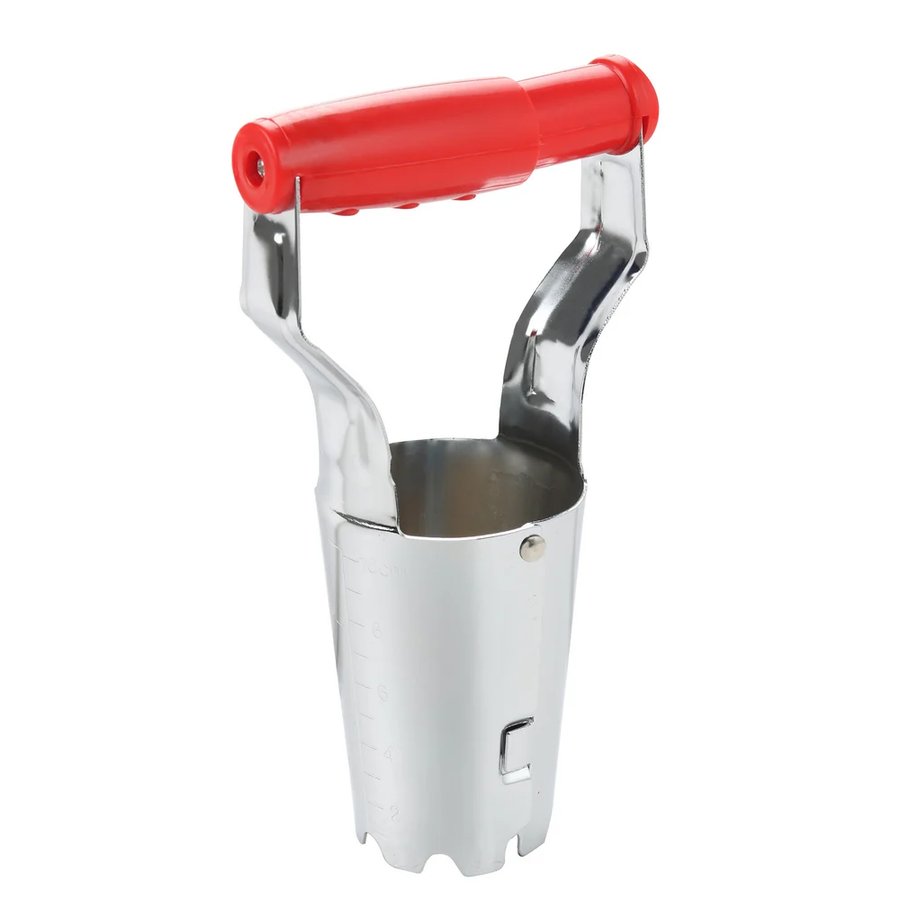
FLORA GUARD Bulb Planter with Depth Markers
Price may vary. Check Amazon for current price. Check price on Amazon →Planting fifty or more bulbs by hand with a trowel gets old fast. This planter cuts a clean plug of soil to the depth marked on the side, and a spring-loaded handle releases the plug so you’re not digging it out with your fingers every time. At under $10, it pays for itself in saved time on the first planting session alone.
Pros
- Depth markers take the guesswork out of planting depth
- Spring-release mechanism speeds up repetitive planting
- Inexpensive relative to the time it saves
Cons
- Steel tip can struggle in dense clay or rocky soil
- Not needed for just a handful of bulbs
What to Look for When Buying Fall Bulbs
Bulb size and firmness
Bigger bulbs mean bigger first-year blooms. A bulb should feel firm and heavy for its size; soft spots, mold, or a papery, dried-out feel are signs it won’t perform well. Buy from a seller with recent, positive reviews mentioning bulb quality on arrival. That’s the biggest variable in how your spring display turns out.
Planting depth and timing
The standard rule is to plant a bulb at a depth three times its width. Most bulbs go 4-8 inches deep depending on size. In most of the US, late September through October is the sweet spot: enough weeks of cool soil for roots to establish before the ground freezes, but not so early that the bulb sprouts top growth before winter. Gardeners in the warmest zones (roughly zone 8 and up) need to pre-chill tulip and hyacinth bulbs in the refrigerator for 8-10 weeks before planting, since they need that cold period to bloom properly.
Deer, squirrel, and vole resistance
If wildlife pressure is a real issue in your yard, lean toward daffodils and alliums. Deer and rodents avoid both. Tulips are the most vulnerable bulb to digging and eating; a layer of chicken wire buried a few inches above the bulbs blocks most digging without blocking the stems from growing through.
Once bulbs finish blooming, let the leaves die back on their own instead of cutting them or braiding them down. The plant uses that foliage to recharge the bulb for next year’s bloom. Cut it too soon and you’ll get fewer or weaker flowers next spring.
Frequently Asked Questions
Is it too late to plant bulbs in October?
No. October is often the ideal window across most of the US. The cutoff is the ground freezing, not a specific date, so you can keep planting into November in milder climates as long as the soil is still workable.
Do spring bulbs come back every year?
It depends on the type. Daffodils and alliums naturalize and multiply on their own. Tulips, especially hybrid mixes, often bloom well the first year or two and then decline, so many gardeners treat them as a multi-year planting rather than a permanent one.
Can I plant bulbs in pots instead of the ground?
Yes, as long as the pot has drainage and is large enough that the bulbs won't freeze solid. In cold climates, an unprotected pot can freeze harder than the ground does, so move potted bulbs against a house wall or into an unheated garage over winter.